

Why Selling Your Home FSBO Can Cost More Than You Think
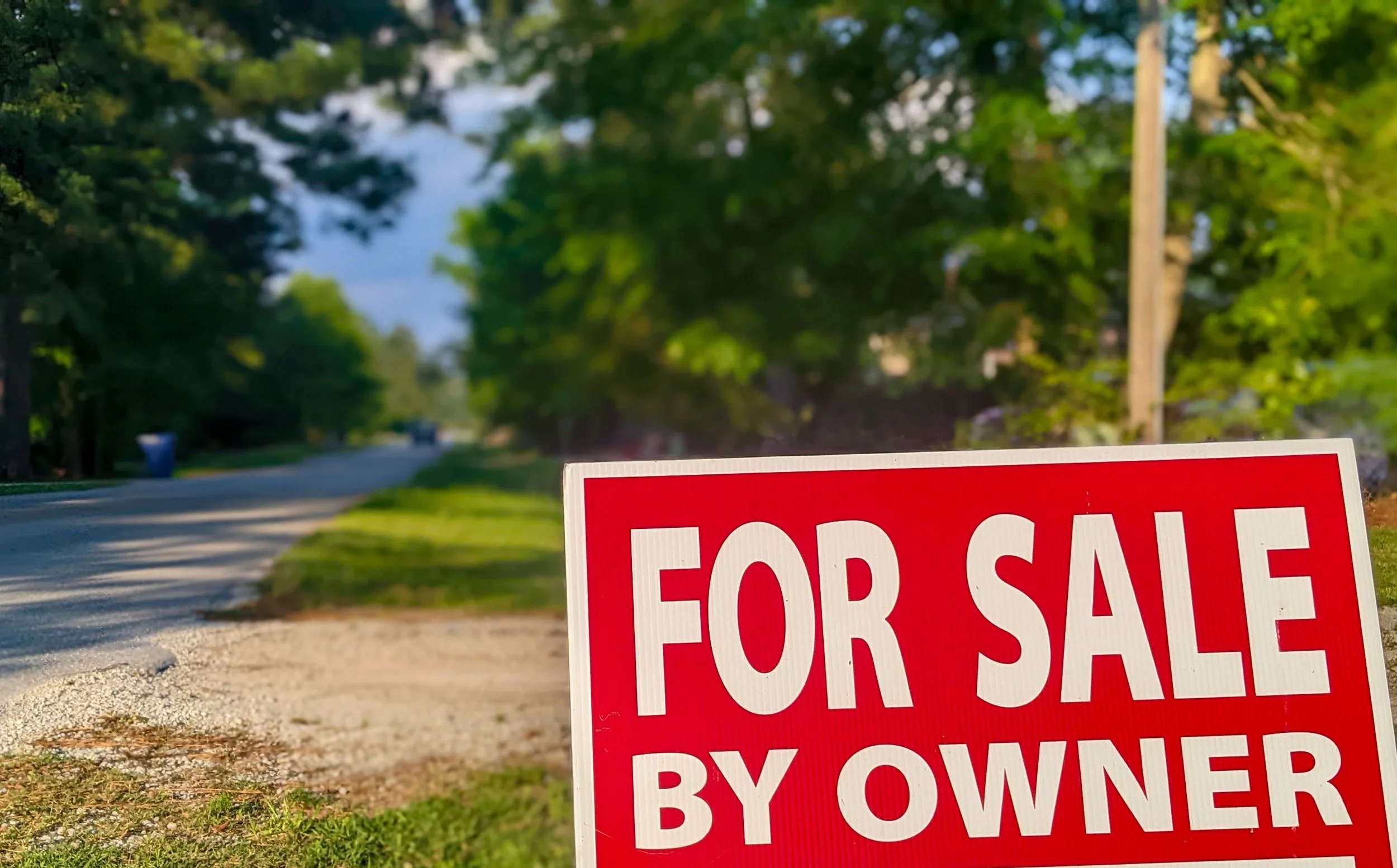
I went to an estate sale in my neighborhood the other day. I was excited because it was being held in a big old Victorian within walking distance of my house, and I will take just about any excuse to get inside one of these beautiful old homes.
I was hunting around for my usual estate-sale finds—old quilts, copper pots, interesting art—when I started chatting with the person running the sale. Somehow it came up that the house had belonged to a relative.
“Is the house for sale too?” I asked.
It was.
Being a real estate agent, my next question was probably predictable: “Do you need a listing agent?”
He told me he was planning to sell it himself. He had some real estate experience.
And that was the first moment my Realtor brain kicked in.
Then I asked what he planned to list it for. The number surprised me. It sounded significantly low for a property of that size in the neighborhood.
Then came the detail that really got my attention: the property was a legal four-flat, but three of the four units were currently under construction.
At that point, I stopped thinking about the beautiful Victorian details and started thinking about zoning, permits, financing, inspections, appraisals, disclosures and all the other decidedly less romantic things that can complicate a real estate transaction.
Our brokerage had recently dealt with a zoning certification issue that surfaced at the eleventh hour of an otherwise straightforward closing. So when I heard “four-flat,” “under construction” and “for sale by owner” in the same conversation, I couldn't help but think: this could get complicated.
And that is exactly the problem with FSBO.
Selling a Home Isn't Just Finding a Buyer
On the surface, selling your own home seems pretty reasonable. You know the property better than anyone. You can put it online, take some photos, show it to interested buyers and save yourself a commission.
But finding someone willing to buy your house is only one part of selling a house.
The transaction itself is where things can become complicated. A seller has to navigate pricing, disclosures, inspections, attorney review, appraisal issues, financing requirements, municipal requirements, title issues, repair negotiations and closing logistics. Older homes and multifamily properties can introduce another layer of complexity involving zoning, permits, legal unit counts and previous renovations.
Sometimes those issues don't reveal themselves until you're already under contract.
Most Homes Aren't “Set It and Forget It”
One of the biggest misconceptions about listing a home is that the work is mostly done once it hits the market. For most properties, that's when the work really begins.
I can think of two lovely homes right here in my own neighborhood that are being sold by owner and have been on the market for close to two years. That's particularly striking because this is an extremely competitive neighborhood. When a desirable home here is priced well and marketed properly, it's not unusual for it to be under contract after its first weekend on the market. Some don't even make it that far - they sell through the private listing network before ever reaching the public market.
That doesn't mean every home should sell in a weekend, or that hiring an agent magically guarantees it will. But when a property sits, someone needs to be asking why.
A listing agent is watching showing activity and buyer feedback, communicating with other agents, following up with interested parties and adjusting the pricing or marketing strategy when necessary. We're looking at how the listing is performing against competing properties and trying to identify what's keeping buyers from making an offer.
And getting an offer isn't the finish line. From there, we're evaluating terms, negotiating, navigating attorney review and inspections, dealing with appraisal and financing issues, coordinating with the other professionals involved and handling whatever surprises come up between contract and closing.
Real estate is rarely a “set it and forget it” business. A good listing agent isn't just there to put your property on the MLS—we're there to actively manage the sale. And if your home isn't selling, our job is to figure out why and do something about it.
Real Estate Experience Isn't Always the Same as Selling Experience
Someone may have bought and sold a few properties, worked in construction, owned rentals or otherwise spent years around real estate. That experience absolutely has value.
But representing yourself in a transaction is different from regularly managing transactions for other people.
Agents see the problems that happen behind the scenes: the appraisal that comes in low, the repair request that threatens financing, the lender requirement nobody anticipated, the permit that was never closed, the buyer who suddenly gets nervous or the paperwork issue that appears three days before closing.
Experience isn't only knowing what should happen. It's knowing what to do when it doesn't.
Pricing a Home Is More Complicated Than It Looks
Pricing is also one of the areas where FSBO sellers can unintentionally leave money on the table.
Online estimates and nearby sales are useful starting points, but they don't always account for the nuances that buyers and agents notice immediately: condition, updates, lot size, architecture, location within a neighborhood, legal use, competing inventory and the difference between a renovated home and one that needs substantial work.
And underpricing isn't necessarily a harmless mistake.
Yes, an aggressively priced home can generate competition. But there's a difference between intentionally pricing a property to create demand and simply not recognizing its market value.
The goal isn't to choose the highest possible number or the lowest number that will attract attention. It's to understand where the property fits in the current market and build a strategy around it.
Your Property May Be More Complicated Than You Realize
This becomes especially important with Chicago real estate.
We have century-old houses, two-flats and three-flats, converted basements and attics, additions completed decades ago, garages of questionable provenance and buildings whose current layouts don't necessarily match what appears in municipal records.
A property can look perfectly normal and still raise questions about zoning, permits or legal use.
Those questions matter because the buyer isn't the only party involved. Their attorney, lender, appraiser, inspector and insurance company may all have requirements that affect whether the transaction can actually close.
That's why something like a partially renovated four-flat isn't simply a matter of finding someone who wants to buy it. How the building is legally classified, what work has been completed, whether permits were required and what type of financing a buyer can obtain can all become part of the transaction.
Negotiating Your Own House Is Harder Than It Sounds
There's another benefit to representation that has nothing to do with paperwork: distance.
Your home is personal. Your money is personal. When a buyer offers $40,000 less than you expected or sends over an inspection request containing a laundry list of complaints about a house you've loved for 20 years, it's difficult not to react emotionally.
An agent gets to be the buffer.
We can find out what's actually important to the buyer, determine what may affect their financing, push back where appropriate and look for solutions without every conversation feeling personal.
Sometimes the best negotiation isn't an aggressive one. It's knowing which issues matter, which don't and where there may be a deal hiding between two very different positions.
Saving the Commission Isn't the Same as Saving Money
The obvious appeal of FSBO is avoiding a listing commission. But commission is only one number in the transaction.
The more useful question is what you ultimately walk away with, and how much risk, time and work it took to get there.
If a property is priced too low, marketed poorly, exposed to a smaller pool of buyers or negotiated without a clear understanding of the market, the amount saved on commission can disappear quickly. The same is true if an issue that could have been identified before listing becomes a problem once the property is already under contract.
A good listing agent's job isn't simply to put a sign in the yard and upload photos to the MLS. It's to position the property, create demand, respond to the market, negotiate effectively, anticipate problems and manage the transaction all the way to the closing table.
The Best Time to Solve a Problem Is Before You're Under Contract
When we prepare a property for market, we're not only asking, “How do we sell this?”
We're asking, “What could prevent this from closing?”
Sometimes that means looking into permits or zoning. Sometimes it means talking through likely financing issues. Sometimes it's deciding which repairs make sense before listing and which don't. And sometimes it's simply recognizing that something unusual about the property needs to be addressed upfront rather than discovered halfway through the transaction.
The goal isn't to make selling a home more complicated than it needs to be. It's to make sure the complicated parts don't surprise you.
Thinking About Selling in Chicago?
At Dorazio Real Estate, we've worked with everything from century-old South Side homes to North Side multifamily properties, and we understand that Chicago real estate rarely fits neatly into a box.
Our experience includes conventional, FHA and VA transactions, construction financing and properties that come with the quirks that make Chicago housing both interesting and occasionally complicated.
If you're considering selling—even if you're still in the “maybe I'll just do it myself” stage—we're happy to talk through your property, its potential value and what the process could look like before you make that decision.
Because sometimes the biggest value an agent brings isn't finding the buyer. It's knowing what could go wrong before it does.
Don't let your FSBO go FUBAR. Call Dorazio Real Estate.
