
Fall Home Maintenance Checklist Every Military Homeowner Should Know
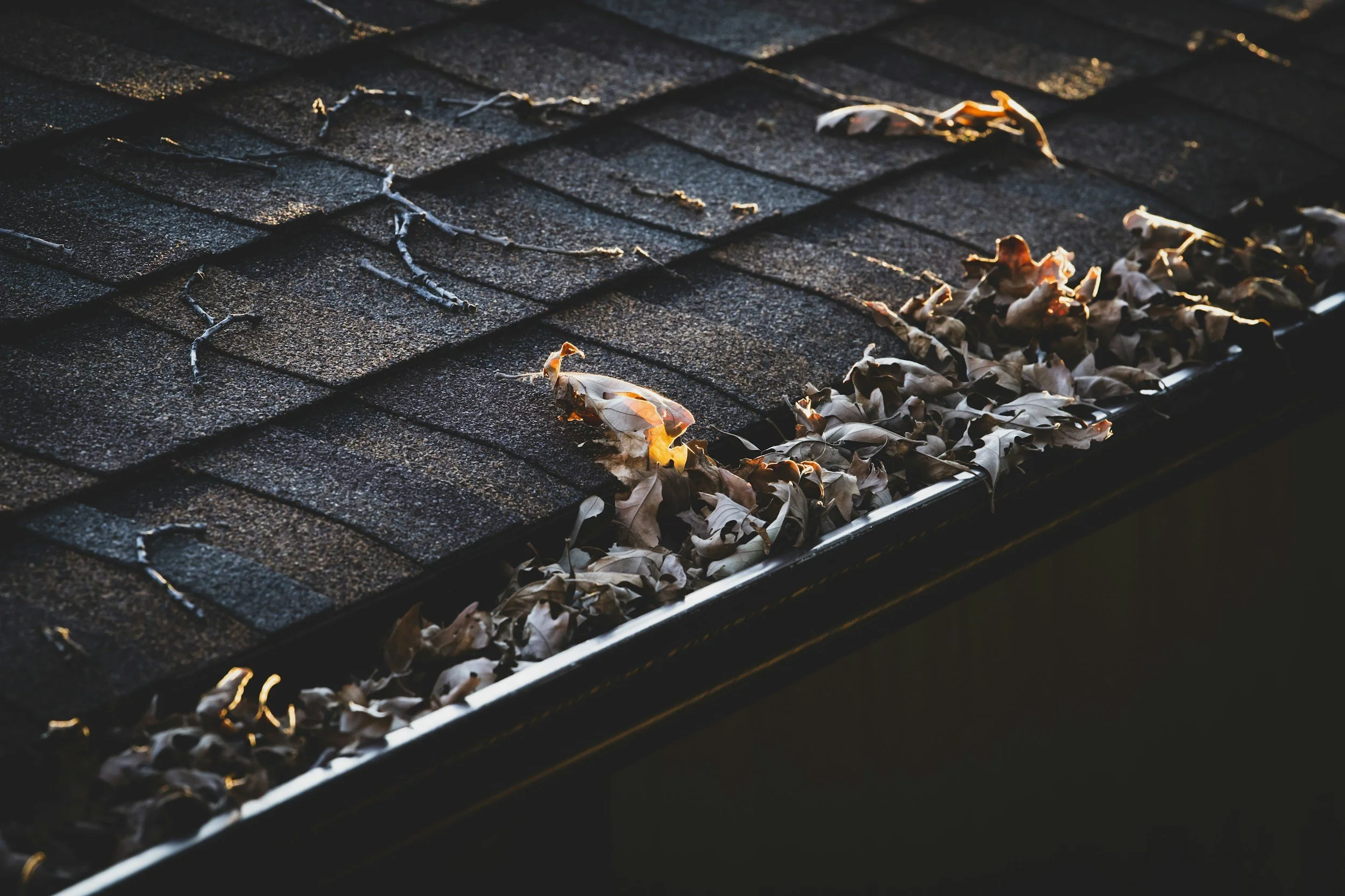
If you closed on a house this summer, this may be your first experience with a Chicago winter. If you've owned your place for years, you already know what January does to a gutter packed with wet leaves. In either case, a few weekends of work in October cost a lot less than a furnace call on the coldest night of the year.
You can handle most of this list in an afternoon with basic tools. A couple of items belong with a licensed professional, and we've noted which ones those are.
Clean the Gutters and Check the Roof
Clear your gutters once most of the leaves are down, then run a hose through each downspout to confirm the water flows. A clogged gutter overflows at the roof edge and drops water beside your foundation. In a region full of older basements, that water often shows up inside as a damp corner or a seep along the wall.
Clean gutters help, but they won't stop ice dams on their own. An ice dam is a ridge of ice at the edge of the roof that traps melting snow behind it. The University of Minnesota Extension explains that heat escaping from the house warms the upper roof, the snow up there melts, and the water refreezes when it reaches the colder edge. Water that backs up behind that ridge can leak into your walls, ceilings, and insulation. If last winter left a heavy row of icicles along one stretch of roof, have an insulation contractor look at the attic above it, since air sealing and insulation address the cause.
From the ground or a ladder, look for loose, curled, or missing shingles and for damaged flashing around the chimney. A roofer can replace a few shingles in an hour in October. Once snow covers the roof, you may wait weeks for the same repair while water works its way in.
Book a Furnace Tune-Up Before the First Cold Snap
Don't wait until the first cold night to turn the heat on and hope it runs. ENERGY STAR recommends an annual pre-season check-up by a contractor, with the heating system checked in the fall. The technician inspects gas connections, gas pressure, burner combustion, and the heat exchanger. A dirty burner or a cracked heat exchanger keeps the furnace from burning fuel the way it should, and you want a technician to find that in October.
HVAC companies around Chicagoland fill their calendars once the first cold week arrives, so call early. Pull out your furnace warranty while you're at it and read what maintenance it expects from the owner. Between visits, you can handle the filter yourself. ENERGY STAR suggests you inspect it once a month and clean or replace it as needed.
If the house is new to you, move the furnace to the top of this list. You have no way of knowing whether the last owner booked a service call every fall or ignored the system for a decade.
Seal the Drafts Around Doors and Windows
On a windy day, hold your hand along the edges of exterior doors and window frames. If you feel cold air, the weatherstripping has worn out or a gap has opened in the caulk. New weatherstripping and a tube of exterior caulk cost little at the hardware store, and most homeowners can install both in a weekend. You'll feel the change in a drafty bedroom and see it on your winter gas bill.
Original wood windows in older Chicago bungalows and two-flats often leak the most air. Before you price full replacements, ask a contractor about repairs and storm windows.
Drain and Shut Off the Outdoor Faucets
Disconnect every garden hose, drain it, and store it. A hose left attached traps water in the faucet, and a hard freeze can split the faucet or the pipe behind it inside your wall. A burst pipe in a wall means a plumber and a drywall repair, and maybe an insurance claim.
Many homes have a separate shutoff valve for each outdoor faucet, often in the basement near where the line exits the house. Close that valve, then open the outside faucet to let the remaining water drain out. The job takes about five minutes per faucet. If you have a lawn sprinkler system, schedule a blowout with your irrigation company before the ground freezes.
Test Every Smoke and Carbon Monoxide Alarm
Press the test button on every alarm in the house. Illinois rules may differ from the last state you lived in, so check them against what you have.
Under the Illinois carbon monoxide alarm law, a home that burns fossil fuel for heat or hot water, or connects to an enclosed garage, needs a CO alarm within 15 feet of every room used for sleeping. If your furnace or water heater runs on gas, the law covers your home.
The Illinois smoke alarm law changed in 2023. Any new smoke alarm you install must have a sealed 10-year battery. Homes built after 1988 with hardwired alarms are exempt, and so are homes with wireless integrated alarms. You can keep an older alarm until it passes 10 years from its manufacture date, fails a test, or stops working right. Check the date printed on the back of each unit. If your alarms still take replaceable batteries, swap them if it's been close to a year.
Daylight saving time ends Sunday, November 1, and the clock change makes an easy reminder. Your furnace, water heater, and any space heaters will run hard from now until spring, and working alarms protect your family the whole time.
Fill In the Maintenance History on a New Home
Families who closed during PCS season often moved in on a tight timeline, sometimes with one spouse already reporting to the new duty station. You may not know when anyone last serviced the furnace or how old the roof and water heater are.
The Illinois seller disclosure form won't fill that gap. Sellers answer whether they know of material defects in the roof, the heating system, the plumbing, and other areas, but the form doesn't ask for service records or the age of anything. You can piece the history together from a few places:
Reread your home inspection report. Inspectors often estimate the age of the furnace, water heater, and roof.
Look on the furnace cabinet for service stickers that list past visits and the company that did the work.
Ask your agent to contact the seller's agent for receipts or the name of the seller's HVAC company.
In Chicago, search the city's building permit records by address to see what work past owners pulled permits for. Suburban owners can ask their village or city building department.
If a system has no clear record, book a service visit and treat what the technician finds as your starting point.
Prepare the House for a Deployment or Your Next PCS
Deferred maintenance tends to surface at the worst time: during a deployment, in the middle of a move, or in January. If you'll deploy this winter, give whoever manages things at home the furnace company's number and show them the main water shutoff. If the house will sit empty, keep the heat on and arrange for someone to walk through it on a regular schedule.
If orders take you out of Chicagoland and you keep the house as a rental, the upkeep stays with you. Under the Illinois CO law, a landlord must make sure the alarms work on the day the lease begins, and the tenant tests and maintains them after that. Our post on what happens to your VA loan when you PCS covers the decision to rent the house out or sell it.
How We Help Homeowners Across Chicagoland
We're a veteran-led team, and we know a PCS leaves little room for house projects. Civilian homeowners get the same practical help from us. We know the bungalows, two-flats, and older brick homes across the city and suburbs, and the upkeep that comes with them.
We're a Mil-Estate affiliate and Chicagoland's only Mil-Estate affiliated team. Our relocation concierge helps families moving into the area sort out neighborhoods and housing from a distance. If you're leaving, our referral network can connect you with an agent where you're headed.
If you closed on a home this year and want help deciding what to tackle first, we're glad to talk it through with you.