
How to Evaluate a Neighborhood Before You Move
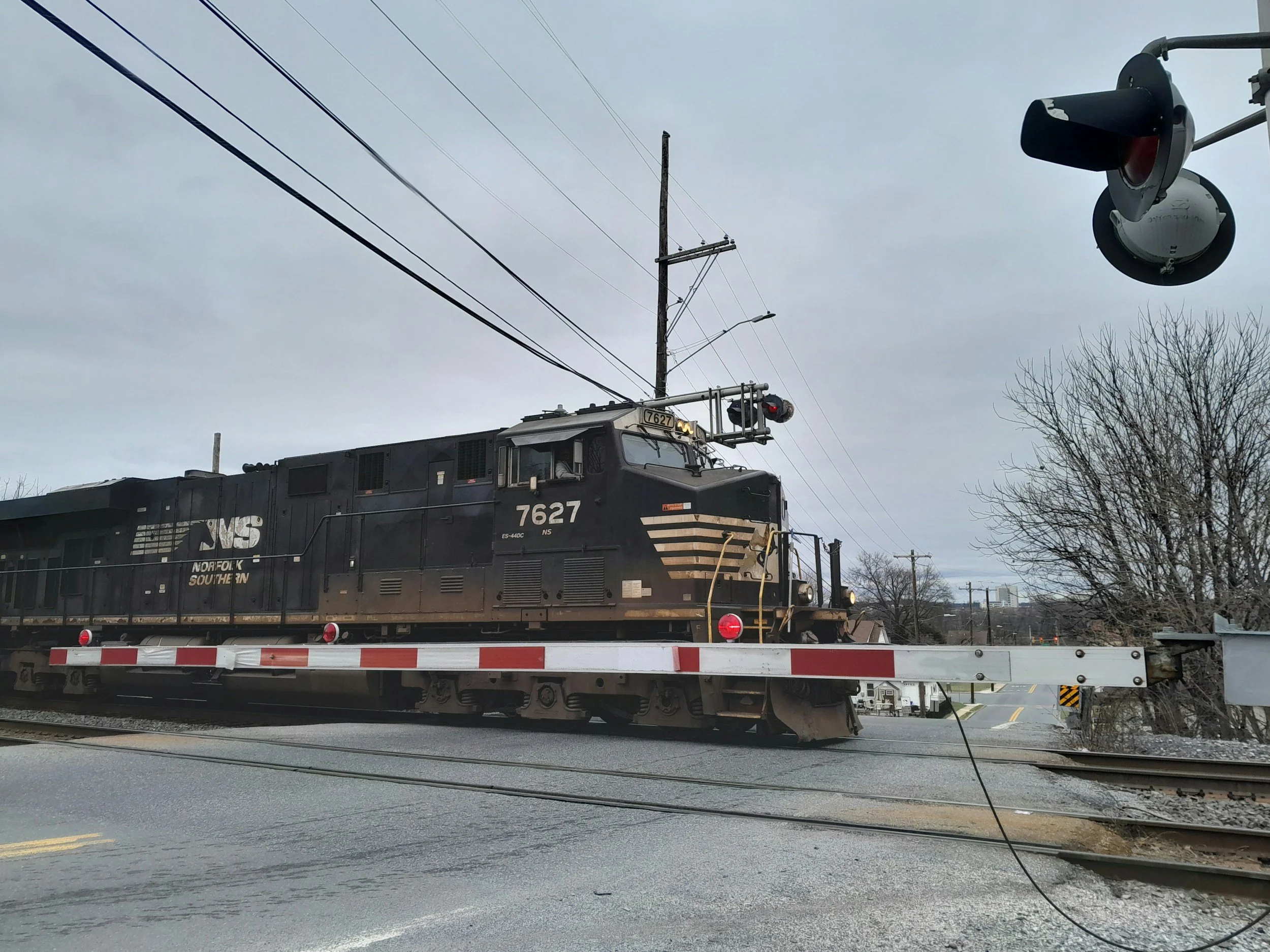
A listing might show you the kitchen, yard, and room sizes. It can’t show you the line of cars near a school at 3 p.m. or the freight train that crosses your route to work. You learn those details by studying the neighborhood with the same care you give the house.
For a military family moving on PCS orders, that work may happen from another state with a short timeline. Civilian buyers face the same decision: the address has to support the way you live. Start with your routine, budget, and plans for the next few years.
Test the Commute You Will Use
Map the trip from the house to your duty station or workplace at the hour you expect to travel. Around Naval Station Great Lakes, two homes with a similar mileage can produce different commutes depending on access to Route 41, I-94, local roads, railroad crossings, and the base gate you use. In other parts of Chicagoland, a short distance can include a tollway bottleneck, a bridge, or a long wait at a Metra crossing.
Run the route in both directions. If a Metra station matters, check the schedule and account for the walk, parking permit, or drop-off.
Write down the other trips that fill your week: child care, medical appointments, groceries, the gym, and visits with relatives. Ten extra minutes on a trip you make twice a day carries more weight than a restaurant you might visit once a month.
Confirm Schools by Address
Start school research with the assigned district and school, not a listing-portal rating. Boundaries can split a subdivision or place homes across the street in different attendance areas. Ask the district to confirm the property’s assignment before enrollment.
The Illinois Report Card provides state data on public schools, including academic progress, school environment, and educators. Use it to compare information that matters to your child, then visit district websites for calendars, transportation rules, programs, and enrollment requirements. A single score can’t tell you whether a school offers the services or schedule your family needs.
Buyers without school-age children may still want to understand the district. School assignment can shape the future buyer pool, but property condition, taxes, location, and the market at the time also affect a sale. No source can truly promise future resale value, so some legwork is usually required to get these numbers together.
Check the Costs and Services Behind the Address
Chicagoland services change from one municipality to the next. Find out who provides water, sewer, trash collection, and snow removal. Ask about vehicle stickers, overnight parking, commuter permits, and association fees. These details affect your budget and routine after closing.
Review the latest property tax bill and note which exemptions the current owner receives. Your bill may differ after the sale. If the home sits near a river, creek, low area, or a street with drainage concerns, check the Illinois floodplain resources, speak with the municipality, and get an insurance quote for that address. Just remember the map is just a starting point, not a substitute for property-specific advice.
Then look at the places you will use. Visit the actual park instead of counting the nearest green spaces online. Drive to the grocery store. Check whether a local medical provider accepts your insurance. A neighborhood earns its convenience through the errands you make, not the number of businesses in the vicinity.
Observe the Block Without Relying on Labels
Terms such as “family-friendly,” “quiet,” and “safe” mean different things to different buyers. Define what you need in concrete terms. You may care about sidewalk coverage, street lighting, traffic speed, yard size, late-night noise, or room for guests to park. Another buyer may put transit and a walkable commercial area first.
Visit on a weekday morning and after dinner. If the house is near a school, park, train line, business district, or place of worship, return when that destination is busy. Park the car and walk the route you would use with a stroller or dog (or both!). Notice the crossings, curb cuts, pavement condition, and lighting.
Federal fair housing rules prohibit real estate professionals from steering buyers based on protected characteristics. We help clients compare homes using the criteria they choose and point them toward consistent public information. You decide whether the setting and routine fit your household.
Read the Plans Before You Predict the Future
A vacant parcel may become apartments, stores, a warehouse, or remain vacant. Search the municipality’s planning and zoning pages for agendas, development applications, plans, and road projects that may be on the schedule for the area. Separate approved work from proposals and rumors.
New development can bring services and investment. It can also add construction, traffic, or a use you did not expect. Our job is to help you identify what the public record says without pretending we can forecast property values. Your expected ownership period matters too. A project scheduled several years out may affect a buyer with a long horizon more than someone expecting another PCS move in two years.
Build a Neighborhood Check Around Your Move
Military moves often leave little time for repeat visits. We can preview routes by video, record the surrounding blocks, and coordinate with a spouse or family member in another location. Families headed to Naval Station Great Lakes can also use the Navy’s Fleet and Family Support Center for relocation and community resources.
We bring a veteran-led perspective to this work because we understand how duty schedules, PCS timing, and an uncertain next move change the decision. Dorazio Real Estate is a Mil-Estate affiliate and Chicagoland’s only Mil-Estate affiliated real estate team. We help military and civilian clients moving into the Chicago area, and our referral network connects clients with local help when they move elsewhere.
If you want to compare a few neighborhoods against the way your household lives, we’re available to talk through the tradeoffs with you.