

Fix and flip
Fix and Flip Properties in Chicagoland
Dorazio Real Estate helps investors find, buy, and sell renovation projects across Chicago and the suburbs, and we'll tell you when to pass on one. Our agents have flipped houses and added legal units to old Chicago buildings themselves.
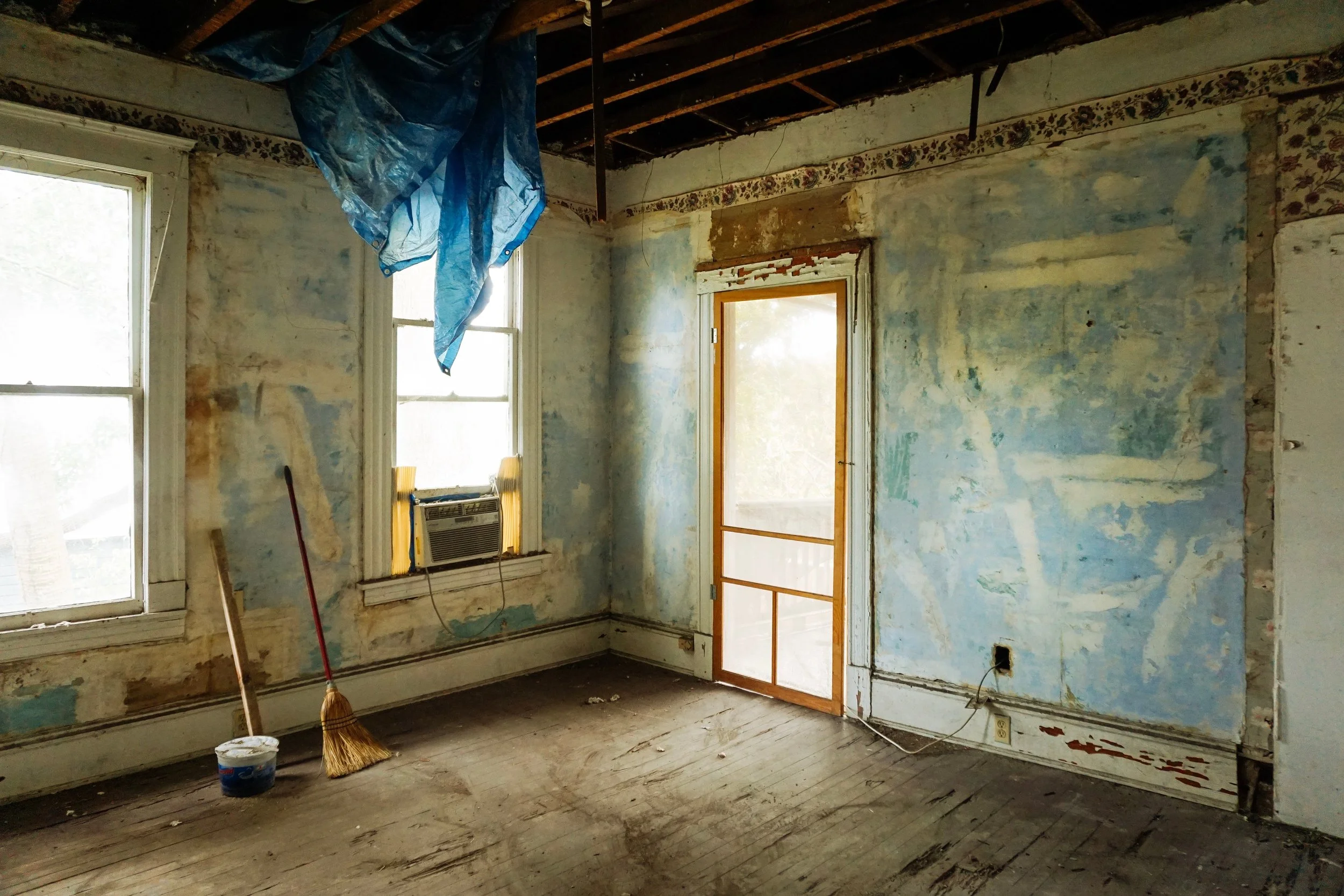
Photo: Monica Silvestre, Pexels.
Why investors call us
Agents who have done the work
Flips of our own
One of our agents completed two single-family flips and ran a property management company with 150 rental units. That agent thinks like an investor on every tour.
Legal units added to old buildings
Our team has added a seventh legal unit to six-unit Chicago buildings several times. Each one took a zoning change, permits, and city inspections, and taught us what the city asks for on an old building.
A trained eye for systems
One of our agents is an IBEW electrician and brings a trained eye for a building's systems and safety to every tour.
Where the profit comes from
Buy it right
You make your money when you buy. We look for promising projects, move fast when one fits your plan, and tell you when a listing doesn't pencil out.
Price it on the finished home
Compare recent sales of renovated homes nearby with the purchase price plus your full budget. A house with a worn-out roof and an old kitchen should be priced like one.
Check the seller's numbers
Find what's missing from the seller's figures. Leave padding for rising property taxes and for surprises behind the walls.
Budget for the city
On an old building, the city can require bigger water service, egress windows, taller ceilings, an electrical upgrade, or new beams when you add a unit. Build contingency into the budget from the start.
REO purchases
Bank-owned and foreclosure deals
Banks sell foreclosed homes as-is and often answer few questions. Expect delays, limited access, missing information, and surprises late in the deal.
On one bank-owned 2-flat, the seller wouldn't answer questions, the listing agent was hard to reach, and a tenant turned out to be four months behind on rent. We negotiated a $7,000 credit before closing to cover a possible eviction, and our client closed on a 2-flat in near-new condition at a strong price.
Read the full REO case study for the lessons we took from it.
Rehab loans
Financing a renovation
A rehab loan rolls the purchase price and the renovation into one mortgage. If you'll live in the home while you renovate, a VA renovation loan or an FHA 203(k) can work. Conventional renovation loans and hard money are other options, so ask your lender which fits a property you won't live in.
An itemized budget
On a VA renovation loan or an FHA 203(k), a HUD consultant or an approved inspector often reviews the contractor's bids against lender rules and the home's after-repair value. A rough estimate won't pass.
Your contractor joins the loan
The lender reviews the contractor's license, insurance, and timeline during underwriting. Line up bids early, since experienced Chicago contractors are busy and bids take time.
Money in stages
The lender releases renovation money through a draw schedule. Work happens in phases, an inspector checks each phase, and the next payment follows.
A longer closing
Rehab loans take longer to close than standard loans. Switching from a standard VA loan to a VA renovation loan in the middle of a contract can extend the closing timeline.
Our post on rehab loans covers closing costs and when these loans make sense.
The exit
Selling the finished project
Keep permits, invoices, and warranties in one folder. Documented upgrades give the appraiser evidence of value, and a buyer's attorney and lender may ask about permits for the work.
We schedule professional photos before every listing goes live, and listing clients get a PLUS floor plan with the shoot at no extra charge. Our listing agents page covers pricing and the sale. Planning to hold the finished building? See short-term rental investing and our multifamily and investment property page.
Questions investors ask
Fix and flip questions
Do you help find flip properties?
Yes. We look for promising projects, move fast when one fits, and tell you when to pass.
Can I use a VA or FHA loan to flip a house?
These home loans require you to live in the property. If you plan to live there while you renovate, a VA renovation loan or an FHA 203(k) can cover both the price and the work.
Are foreclosures good flip candidates?
They can be. Banks sell as-is and share little, so budget for delays, limited access, and surprises.
Do I need permits for a Chicago rehab?
Many projects need city permits, and approval can take several weeks depending on the work. Choose a general contractor who has been through Chicago's permit process before.
Can I add a unit while I renovate?
Sometimes. Chicago's ADU rules decide where you can legalize a basement, attic, or coach house unit. Where they don't apply, adding a unit can take a zoning change with an attorney, an architect, aldermanic support, and a zoning committee hearing. Our ADU zoning post walks through it.
Start with a conversation
Bring us the project you're eyeing
Send the listing or the address. We'll talk through the purchase price, the budget, the resale comps, and whether to pass.
Or send a note through our contact page.