
Rehab Loans: Are they right for you?
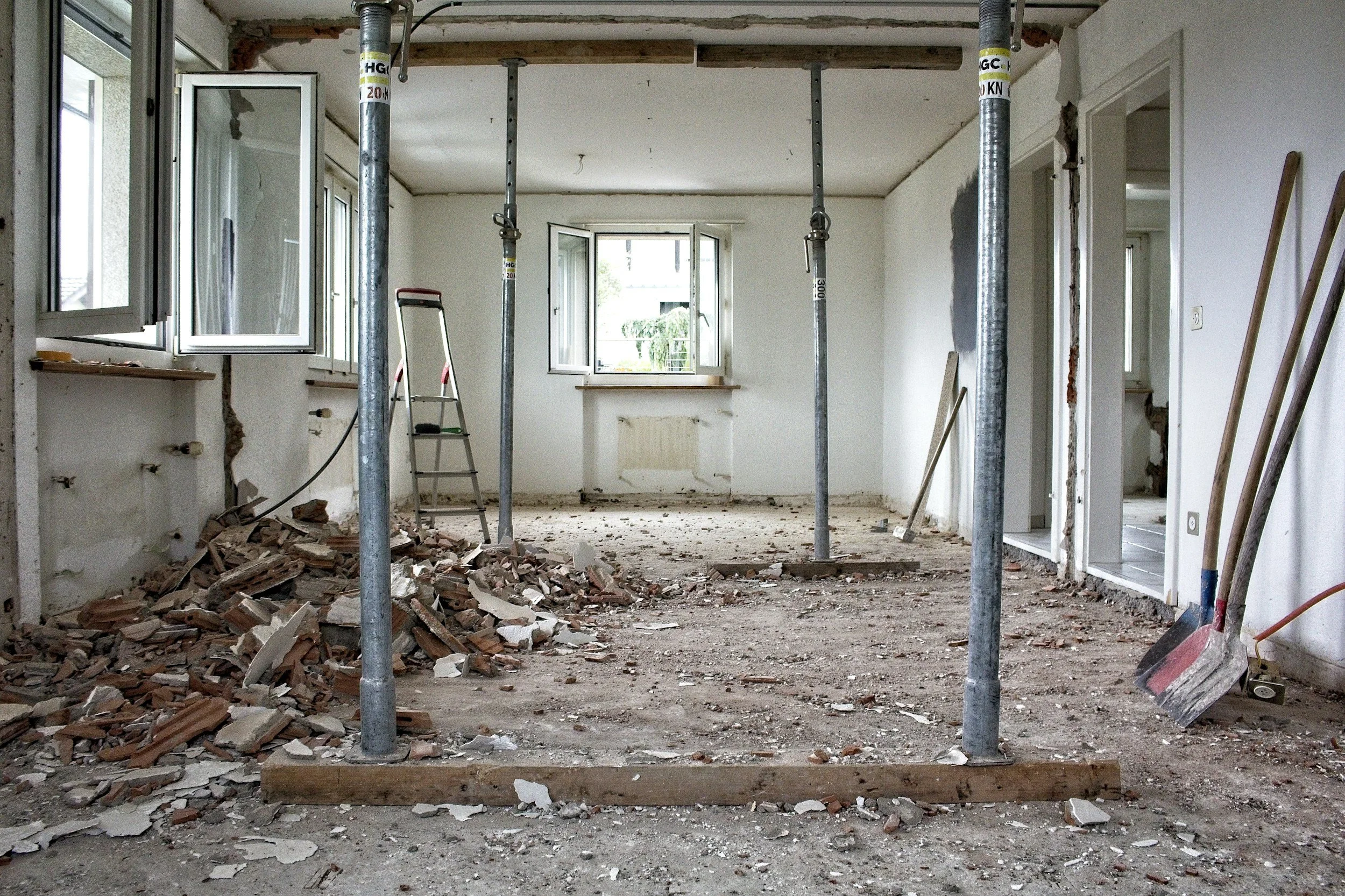
In Chicago’s older housing market, where brick bungalows, two-flats, and vintage homes dominate, buyers are increasingly considering fixer-uppers. When turnkey homes feel overpriced or scarce, rehab loans can seem like the perfect solution.
A rehab loan allows you to finance both the purchase price of a home and the cost of renovations in one mortgage. Whether you’re exploring a VA renovation loan, FHA 203(k) loan, conventional renovation loan, or even hard money financing, the promise is the same: buy the house with potential and build equity through improvements.
But renovation financing is more complex than many buyers realize.
If you’re considering a fixer-upper in Chicago or the surrounding suburbs, here’s what you should know before choosing a rehab loan.
What Is a Rehab Loan?
A rehab loan (also called a renovation loan) combines the cost of purchasing a home with the funds needed to repair or update it. Instead of paying out of pocket for improvements later, the renovation costs are built into your mortgage from the beginning.
Common types of renovation financing include:
VA renovation loans for eligible veterans
FHA 203(k) loans for owner-occupants
Conventional renovation loans
Hard money loans typically used by investors
Each loan program has its own requirements, but all renovation loans involve more oversight than a standard home purchase mortgage.
The Oversight Behind Renovation Loans
Unlike traditional financing, rehab loans require third-party review of the renovation scope. For government-backed programs like a VA renovation loan or FHA 203(k), a HUD consultant or approved inspector is often required. This consultant works with the contractor to review bids, confirm that work meets lender guidelines, and ensure the proposed renovations support the home’s projected after-repair value.
That means your renovation budget cannot be a rough estimate. It must be detailed, itemized, and formally approved.
It’s also common for finalized contractor bids to come in higher than initial expectations. When that happens, the financing numbers must be adjusted before closing. This may require revising the scope of work, increasing funds (if possible), or restructuring the loan. Flexibility is part of the process.
Why Your Contractor Matters More Than You Think
One of the biggest surprises in rehab loan financing is how central the contractor becomes to your mortgage approval. You don’t simply hire a contractor after closing. The contractor must be identified early, approved by the lender, and capable of providing bids that meet strict documentation requirements. Their licensing, insurance, and timeline are reviewed during underwriting.
In today’s market, experienced contractors in Chicago are busy. Securing multiple bids can take time, and delays in obtaining estimates can push back loan approval. Without multiple bids, buyers may have limited negotiating leverage and feel committed to the contractor they were able to secure. With renovation loans, your contractor is effectively part of your financing team.
Rehab Loan Timelines Are Longer
Rehab loans typically take longer to close than standard purchase loans.
Why? Because lenders are underwriting both the property as it exists today and the property as it will exist after renovations are completed. Switching loan types mid-contract - for example, moving from a standard VA loan to a VA renovation loan - can significantly extend closing timelines. Renovation underwriting requires contractor approval, revised documentation, after-repair appraisals, and additional underwriting review. If you’re buying a fixer in a competitive Chicago neighborhood, timeline expectations should be addressed early in the offer process.
Higher Closing Costs and Draw Schedules
Renovation loans often come with higher transaction costs than traditional mortgages. Buyers may encounter consultant fees, additional inspections, title updates during construction, contingency reserves built into the loan, and increased lender processing time. It’s also important to understand how renovation funds are distributed.
Rehab loan funds are not provided in a lump sum at closing. Instead, the money is released through a draw schedule. Work is completed in phases, inspected, and then funds are disbursed incrementally.
This structure protects both the lender and the borrower, but it requires coordination between the homeowner, contractor, and lender.
When a Rehab Loan Makes Sense
Rehab loans can be a strong option in Chicago’s aging housing market, especially for buyers who are priced out of renovated homes but willing to invest time into improvements. A VA renovation loan can help eligible veterans maximize their benefits, while an FHA 203(k) loan can make fixer-upper financing more accessible to owner-occupants.
These loans tend to work best for buyers who are organized, financially prepared for contingencies, and comfortable with additional oversight.
Are Rehab Loans Worth It?
Rehab loans are not inherently risky or problematic. They are simply more structured than traditional financing. They involve more documentation, more coordination, and more patience. When approached with the right expectations and the right team, they can create meaningful equity and long-term value.
But they are not the fastest or simplest path to homeownership.
If you're weighing whether a rehab loan makes sense for your situation, it helps to talk it through with someone who's been in the weeds on these transactions before. We've worked with buyers across Chicagoland navigating VA renovation loans, FHA 203(k)s, and everything in between, including a lot of veterans and military families who want to make the most of what they've earned. But the process isn't exclusive to any one buyer type. If you're serious about a fixer-upper and want to know what you're actually getting into, we're happy to walk through it with you. Reach out to Dorazio Real Estate so we can help you figure out if the numbers make sense. Understanding the process early can save time, stress, and money later.
