
Preparing Your Home for a Winter PCS: What to Do Before the Movers Arrive
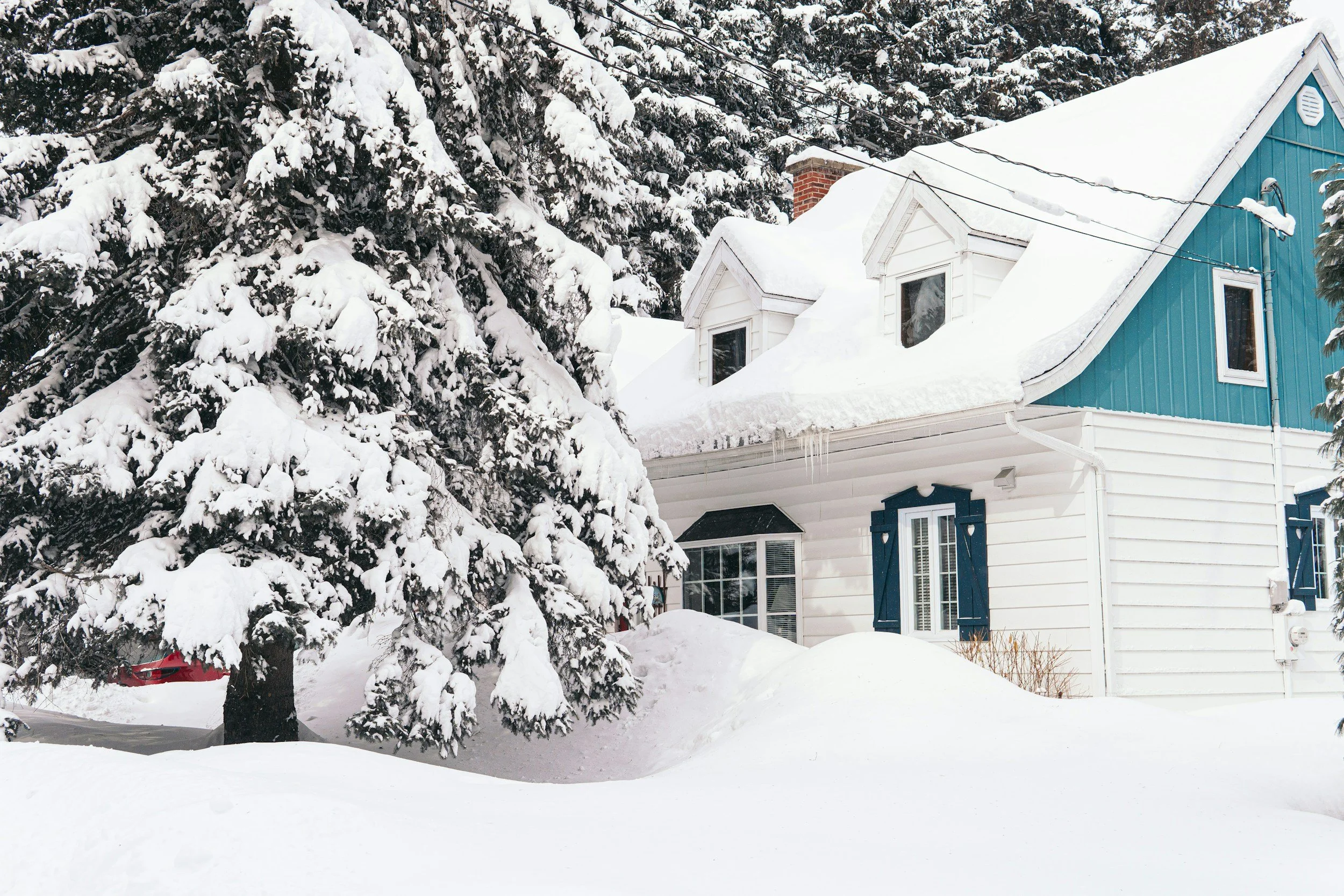
Orders that land in December or January come with problems a summer move doesn't have: snow on the walk, ice on the steps, and a furnace that has to keep running in a house you may have already left. You might be selling a Chicagoland home and heading to your next duty station. You might be buying here and trying to close before your household goods arrive. In both cases, the weather adds work to your checklist.
Our team is veteran-led, so we plan a winter move around the parts nobody controls, starting with the forecast.
Clear Walks and Driveways for Movers and Showings
If you're selling, movers, buyers, agents, and inspectors all need a safe path to your door. A crew carrying a dresser down icy front steps can fall, and so can a buyer in dress shoes on an unsalted walk. Shovel and salt after every snowfall until the last box leaves.
In Chicago, the city requires it. Under the city's sidewalk snow removal rules, you must clear snow that falls between 7 a.m. and 7 p.m. by 10 p.m., and overnight snow by 10 a.m., seven days a week. The path has to be at least 5 feet wide. Suburbs set their own rules, so check with your village or city if you live outside Chicago.
Movers need more than the front walk. Clear the driveway where the truck will park, the back steps, and the path to the garage. If you're reporting early and a spouse or friend is handling pickup day, hire a snow removal service so nobody has to scramble that morning.
Keep the Heat Steady While the House Is Listed
A cold, dark house makes a bad first impression. Buyers keep their coats on, hurry through the rooms, and start wondering about the furnace. Keep the thermostat at a normal living temperature for showings and leave the lights on. Even with most of the furniture gone, a warm, bright house tells buyers someone has been taking care of it.
Keep every utility on through closing. The buyer's home inspector will want to run the furnace, the water heater, and the faucets, and nobody can test a furnace with the gas shut off.
Protect a Vacant House Between Move-Out and Closing
Many PCS sellers leave before the sale closes, and that gap is the riskiest stretch of a winter move. If the furnace quits in an empty house during a cold snap, the pipes can freeze and burst, and water can run for days before anyone walks in.
The American Red Cross recommends leaving the heat set no lower than 55°F when you'll be away in cold weather, and keeping the thermostat at the same temperature day and night. Don't shut the heat off to save on the gas bill. A few months of heat costs far less than new drywall, flooring, and a delayed closing.
Ask a neighbor, friend, or property manager to walk through the house on a set schedule, and more often during a hard freeze. That person should confirm the furnace is running, look under sinks and in the basement for water, and make sure the walks are clear for showings. Before you leave, give them the furnace company's number and show them the main water shutoff. If you missed a fall tune-up, our fall home maintenance checklist covers the furnace, outdoor faucets, and other work worth finishing before a house sits empty.
What a Winter VA Appraisal Checks
You may hear that a cold house can hurt a VA appraisal. The VA's rule is narrower than that. Under the VA's minimum property requirements, the home's heating must be permanently installed and keep areas with plumbing at 50°F or warmer. The same handbook says the appraiser doesn't run mechanical systems or appliances, and the utilities don't have to be on during the appraiser's visit.
The appraiser does have to note repairs that are readily apparent. A ceiling stain from a burst pipe or a warped floor will end up in the report, and the appraiser can make the appraisal subject to repairs that have to be finished before the loan closes. So a seller protects the appraisal by keeping the house warm and dry, which prevents that damage in the first place.
Buying in Winter: Give the Heating System a Hard Look
If you're buying, the heating system deserves more attention than anything else in the house this time of year. Ask your inspector about its age, its condition, and any service records the seller can provide. Plenty of older Chicago-area homes heat with a boiler and radiators instead of a forced-air furnace, so make sure your inspector can evaluate whichever system the house has.
The VA recommends a home inspection on top of the appraisal and points out that an appraisal isn't an inspection. That advice carries extra weight in January.
Before your final walkthrough, confirm the utilities are on. Turn up the thermostat and wait for warm air or hot radiators. Run the hot water, flush the toilets, and check under sinks and in the basement for leaks. A house held at 55°F hides problems, since you won't notice a drafty window or a lukewarm radiator when every room feels cold. Snow can cover the roof, the yard, and the grading around the foundation, so ask about anything you couldn't see.
Plan the Move Around the Weather
Build extra days into your schedule. A storm along your route can close a highway or push a pickup or delivery back. Ask your moving company, or your transportation office for a government move, how they reschedule for weather and what happens to your shipment if delivery slips. Know where your household goods would sit in storage and how you'd get them out.
If you're driving into or out of Chicagoland, check road conditions on the Illinois Department of Transportation's Getting Around Illinois map before you leave. Keep your report date in front of you the whole time. If your orders leave little slack, leave earlier than you would in summer instead of counting on clear interstates. Put blankets, a shovel, water, snacks, and phone chargers in the car.
Pets and Plants on a Cold Moving Day
The front door stays open for hours on loading day. Put pets in a warm, closed room or with a friend so they can't slip out into the snow, and plan their ride in your heated car.
Decide about plants early. Freezing temperatures inside a moving truck can kill houseplants before you arrive. Carry the ones you want to keep in the car and give the rest to neighbors before moving day.
When Your Closing and Report Date Drift Apart
Weather can push a move-in past a closing, or a closing past a report date. Tell your agent and lender as soon as a delay looks likely. Buyers and sellers can often agree in writing to move a closing date, and that conversation goes better with a week's notice than with a day's. Temporary housing can cover a gap of a few days while your goods catch up.
PCS timing is one reason we refer clients to lenders who know the VA loan in depth. They understand how orders, report dates, and BAH fit into a loan file, and we can recommend one when your timeline gets tight.
Moving Into or Out of Chicagoland This Winter
We're a Mil-Estate affiliate and Chicagoland's only Mil-Estate affiliated team, and we build the same weather buffer into every client's plan. If you're moving here, our relocation concierge helps you compare neighborhoods, commutes, and homes from a distance. If you're leaving, our referral network can connect you with an agent near your next duty station. Civilian buyers and sellers get the same planning from us.
If a winter move is on your calendar and you want a second set of eyes on the timeline, we're glad to talk it through with you.