
The VA Loan House Hack: How Veterans Can Buy a Duplex with $0 Down
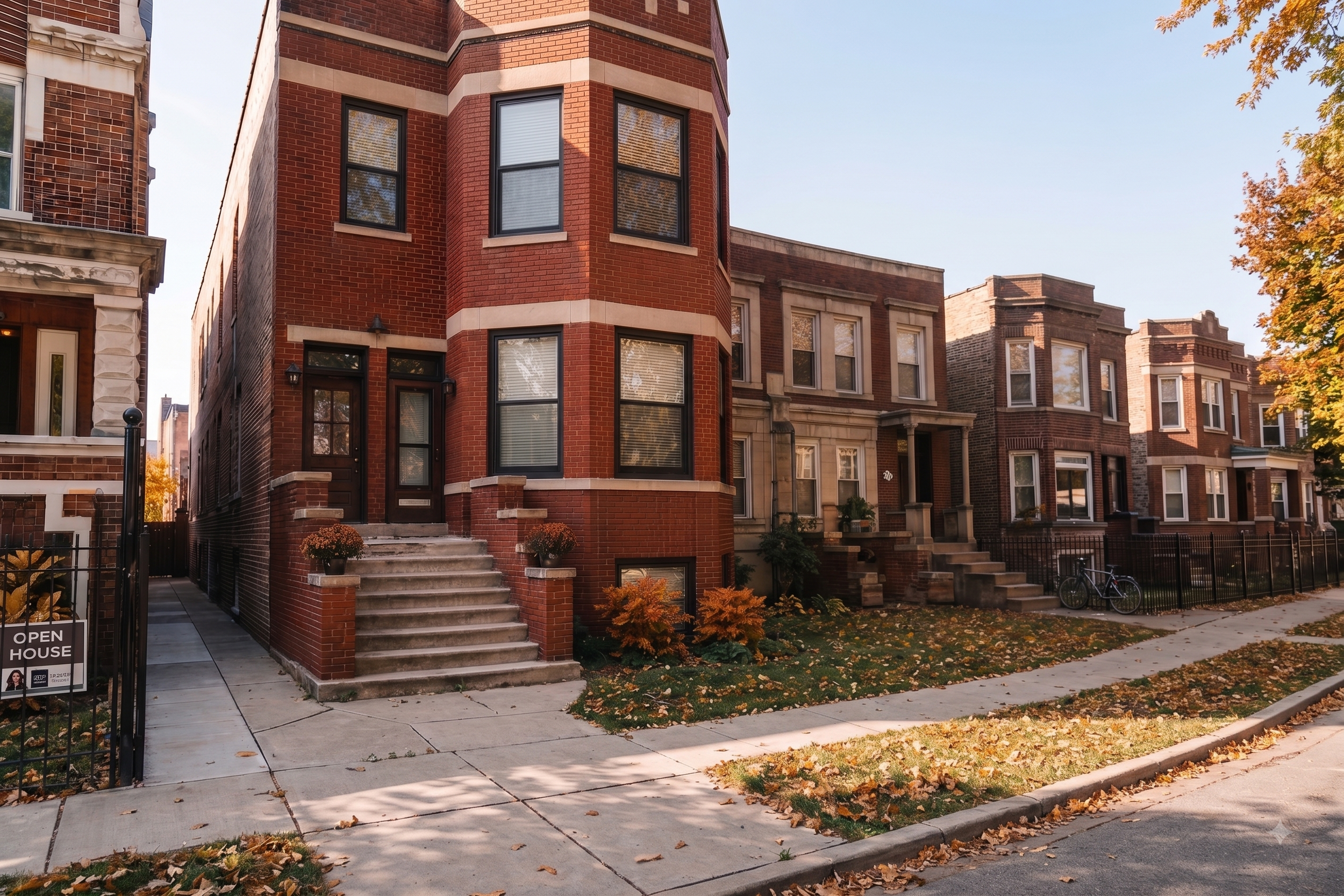
Buying a duplex and renting the other unit can give an eligible Veteran or service member a practical start in real estate. You live in one unit, collect rent from the other, and use that income to help carry the property. Buyers call the approach “house hacking.”
The VA home loan benefit can make the purchase possible without a required down payment. VA-backed purchase loans cover properties with two, three, or four units when the borrower plans to occupy one as a home. You still need to qualify with the lender, and the appraisal must support the price. A zero-down loan can also leave you with closing costs, prepaid taxes and insurance, inspection expenses, and money needed after closing.
The Duplex Rent Helps, but It Does Not Rewrite the Payment
Suppose you buy a two-flat and expect the second unit to rent for $1,800 per month. Under the VA’s rental-income guidelines, your lender may use 75 percent of the documented rent, or $1,350, when calculating qualifying income. The lender keeps the remaining 25 percent out of the calculation to account for vacancy and other costs.
You still owe the full mortgage payment each month. Once a tenant pays $1,800, that cash can help cover the mortgage, taxes, insurance, repairs, and utilities that remain in your name. The difference matters. Qualifying income belongs on the lender’s worksheet; rental income belongs in your household budget, along with a vacancy allowance and a repair reserve.
Run the numbers with the property’s tax bill, insurance quote, market rent, and maintenance costs. A Chicago two-flat with old plumbing and a shared boiler creates a different budget from a newer suburban duplex. A vacant month or roof repair can change the result.
VA Underwriting Adds Requirements for Rental Income
The borrower must plan to occupy one unit as a primary home, normally within 60 days after closing. The VA occupancy requirement does not allow you to finance a multi-unit property that you intend to operate from a distance as a rental from day one.
VA guidance also asks the lender to determine whether you have a reasonable chance of succeeding as a landlord before it uses prospective rent as qualifying income. The file may need proof of prior rental-management experience or a plan to use a property-management company. The lender must verify cash reserves equal to at least six months of principal, interest, taxes, and insurance when prospective rent supports qualification. Those reserves must come from the borrower’s funds rather than a gift or the property’s equity.
Leases, rent schedules, and appraisal documents can affect how much income the lender accepts. Talk with a loan officer who handles VA multi-unit purchases before you set a price range.
Every Unit and the Building Itself Need a Close Look
The VA appraiser evaluates the whole property under the program’s minimum property requirements. Each unit must provide safe, sound, and sanitary housing. Two- to four-unit buildings may share utilities, but each unit needs the separate shutoffs required by VA guidance.
Chicagoland adds another layer. Some sellers market buildings as two-flats or three-flats even though the municipality does not recognize a garden apartment as a legal unit. Confirm the zoning, unit count, permits, and current use before relying on rent from a space. Review leases, security deposits, utility arrangements, and any local landlord rules with the right legal and lending professionals.
Older masonry buildings can be solid purchases, but brickwork, porches, sewer lines, roofs, boilers, and electrical service deserve careful inspection. Cook County taxes can also change the monthly calculation. In DuPage, Lake, Will, and the collar counties, prices, rents, taxes, and tenant demand vary by town. We study the individual property and its immediate rental market instead of using one Chicagoland-wide estimate.
How Dorazio Real Estate Can Make a Difference
Andrew and our team have handled VA-financed purchases and multi-unit deals many times. We know the search involves more than finding a duplex with an appealing list price. We help buyers compare unit rents, tax history, property condition, occupancy plans, and cash reserves before an offer puts deadlines on those decisions.
Our veteran-led background also helps us understand PCS timing, VA financing, and the pressure of coordinating a purchase from another state. We can work with your lender, inspector, attorney, and other professionals while keeping the property questions organized. As Chicagoland’s only Mil-Estate affiliated real estate team, we also have a referral network for clients moving into this area and for buyers or owners who need help elsewhere.
Experience cannot make a weak property work. It can help you spot problems sooner and decide whether the income and responsibilities fit your plans.
Frequently Asked Questions
Can I buy a duplex with a VA loan and put $0 down?
An eligible borrower with sufficient entitlement may buy a two-, three-, or four-unit property without a required down payment, subject to lender approval, VA requirements, and an appraisal that supports the purchase. You must plan to live in one unit as your home. Closing costs and other cash needs can remain.
Can rent from the other unit help me qualify?
Yes, if the file meets VA and lender requirements. The lender may count 75 percent of documented rent and will review your ability to manage the property or your plan to hire a manager. Cash-reserve requirements also apply when prospective rent supports qualification.
Can I move out and keep the duplex later?
Your intent at closing must satisfy the VA occupancy rules. Life can change after a purchase, including through PCS orders, but you should discuss your plans and loan terms with your lender before treating the property as a future full rental.
A VA-financed duplex can work well when the building, rent, reserves, and landlord role all fit your life. If you want to test the numbers on a Chicagoland property, Andrew and our team are available to talk it through with you.