The Economic Impacts of a Winning Sports Team and What It Could Mean for the Chicago Real Estate Market.
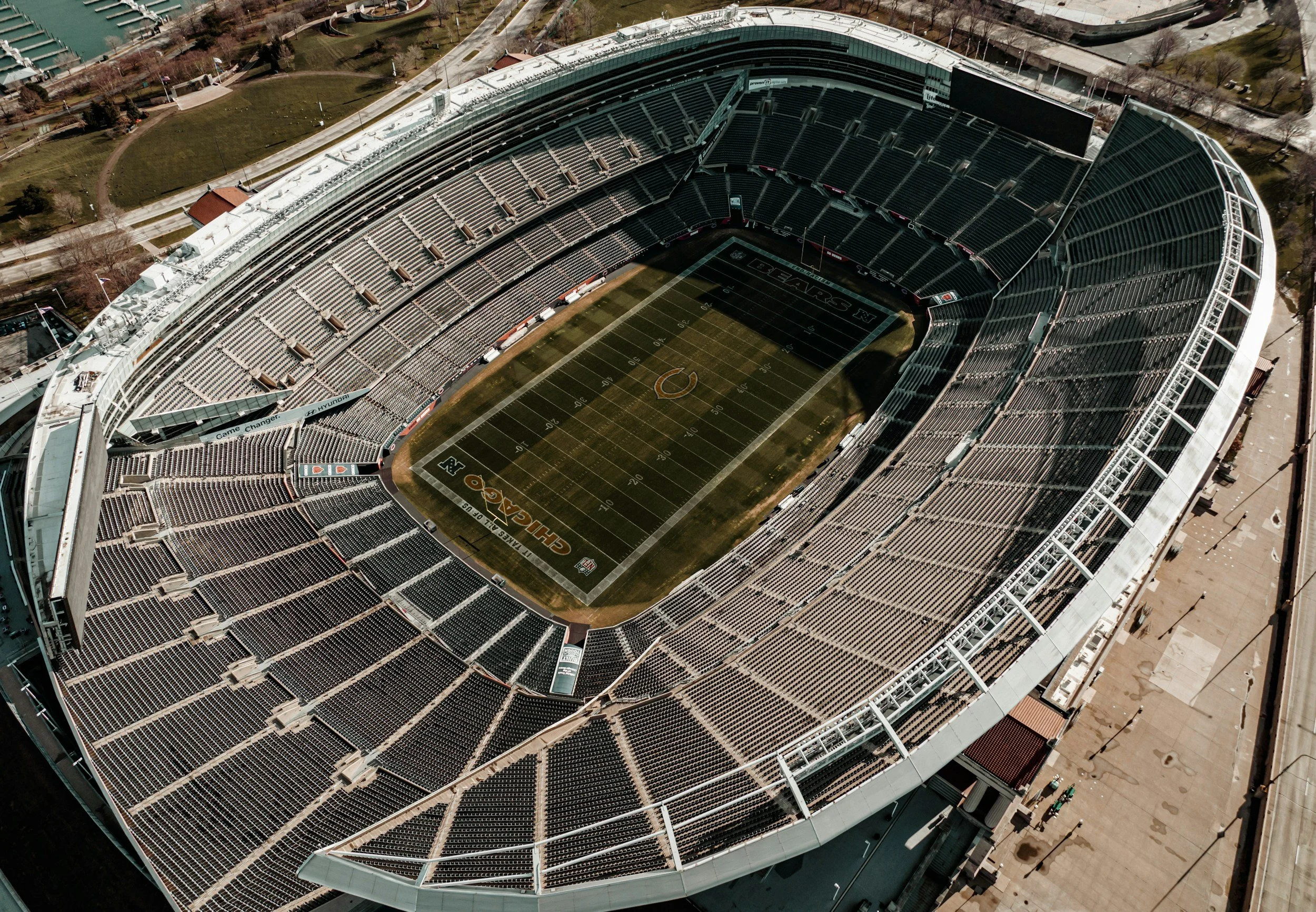
We all love a good Bears win on Sunday. But here’s something you might not realize: when our teams are winning, it can cause ripples through the local economy and have real implications for your wallet and for the Chicago real estate market.
Championship-level performance feels great and creates tangible economic momentum that ripples through neighborhoods, changes spending patterns, and even affects how outsiders view our entire city. Here’s an example of what actually happens to Chicago's economy when the Bears are on a hot streak.
Money Starts Moving Faster
When the Bears are winning, people get fired up. They hit the bars before kickoff, grab dinner after, maybe stop for a few victory beers. All that excitement means money's changing hands faster throughout the South Loop and wherever the Bears eventually land, whether that's Arlington Heights or the lakefront.
There's actually a name for this: the "velocity of money." Economists use this term to describe how quickly a dollar moves through the local economy. When fans are excited about their team, that dollar doesn't just buy a ticket and disappear. It buys parking, then lunch, then a round of drinks, then a jersey at the team store. Each transaction keeps that money circulating in the local economy rather than sitting idle in someone's bank account.
Harvard researchers found that when a star player or winning team shows up, restaurants and bars pop up like crazy. We're talking 13% more establishments within a mile of the stadium, and employment in that area jumping by 23%. That's the "LeBron Effect," and it's real. Business owners respond to sustained fan enthusiasm by opening new locations, hiring more staff, and expanding their hours of operation.
Free Advertising for the Whole City
When the Bears make a playoff run like they did this year, Chicago's on national TV every week. That's millions of dollars in free marketing. Suddenly tourists who've never thought about visiting in January are booking hotels. The airport's packed, and all that out-of-town money stays here. It fills city coffers with tax revenue that wouldn't exist otherwise.
Think about what a single playoff game represents in media exposure. You've got pre-game coverage, halftime features on local businesses and landmarks, post-game shots of celebrating fans throughout the city, etc. Network cameras don't just show the stadium, they show our skyline, our neighborhoods, our culture. That kind of exposure would cost millions if the city had to pay for it through traditional advertising channels.
This "winning" image helps when corporations are deciding where to put their next headquarters. Executives making relocation decisions aren't just looking at tax incentives and office space costs. They're thinking about where their employees want to live, where clients want to visit, and what cities project success and vitality. A winning sports culture signals all of those things. And headquarters mean thousands of high-paying jobs, which in turn support even more local businesses.
Your House Gets More Valuable
Here's where it gets interesting for homeowners and investors.
If you own property anywhere near a stadium (especially a winning team's stadium), you're sitting on something special. This is what experts call a "stadium premium" for homes within 2-4 miles of successful sports venues. Just look at Wrigleyville - home values didn't skyrocket just because of the ballpark. All the bars, luxury condos, and hotels that sprouted up because the Cubs kept people engaged year after year? Those things drove prices up.
The Wrigleyville transformation is a particularly interesting example because it happened gradually over decades of sustained interest. What was once a fairly modest neighborhood became one of Chicago's most expensive residential areas. Property owners who held onto their homes through that transformation saw equity gains that far outpaced the city average. The same pattern has played out near successful venues across the country.
For real estate investors, a winning team creates serious opportunity. Playoff season means Airbnb rates can triple overnight. That condo near Soldier Field suddenly becomes a goldmine when fans are flying in from out of state. Investors can model their return on investment with much more confidence when there's a predictable calendar of high-demand events. A mediocre team might fill hotel rooms eight times a year. A championship-caliber team adds playoff games, nationally televised matchups, and the kind of buzz that makes people want to experience game day in person.
The Future: Stadium Districts
Teams aren't just building stadiums anymore; they're building entire neighborhoods. Milwaukee's Deer District is the perfect example, and it's exactly what the Bears are talking about with Arlington Heights. We're looking at year-round retail, high-end offices, and luxury apartments. Basically a mini-city that doesn't shut down when football season ends.
This model represents a fundamental shift in how sports franchises think about their economic impact. Instead of a stadium that sits mostly empty 350 days a year, these districts create reasons for people to visit year-round. Office workers grab lunch at the same restaurants that serve game-day crowds. Residents shop at the same retail spaces. The infrastructure built for eight home games per season now supports economic activity every single day.
The Bottom Line
Publicly funded stadiums are controversial, and that debate isn't going away. But what's not debatable is that winning teams create momentum. People spend more. Developers take notice. New businesses open. Property values climb.
When the Bears win, Chicago wins. Whether they're at Soldier Field, Arlington Heights, or even Gary (let's hope not), a championship-caliber team means real money flowing into real pockets. That includes yours if you own property anywhere near the action.
So next time the Bears pull off a win, remember it’s not just points on the board - it's economic development in motion.